8. Assessing the role of monoculture agriculture in altering local and catchment-scale hydrology in the Almanzora Valley
- Organically Written by a human without AI generation
In this article, I will assess the role monoculture agricultural practices play in altering local and catchment scale hydrology in the Almanzora valley.
At these scales one property can differ from its neighbor hydrologically speaking, experiencing the same precipitation input but producing different outcomes depending on the conditions of the land and the way it is managed.
By definition:
“monoculture, in agriculture, the practice of growing a single crop on a given acreage. While monoculture crops are sometimes rotated year to year, continuous monoculture, or mono-cropping, in which the same crop is grown year after year, has become one of the dominant paradigms in modern industrial agriculture.”.( Monoculture | Definition, Farming, Advantages, Disadvantages, Examples, & Facts | Britannica)
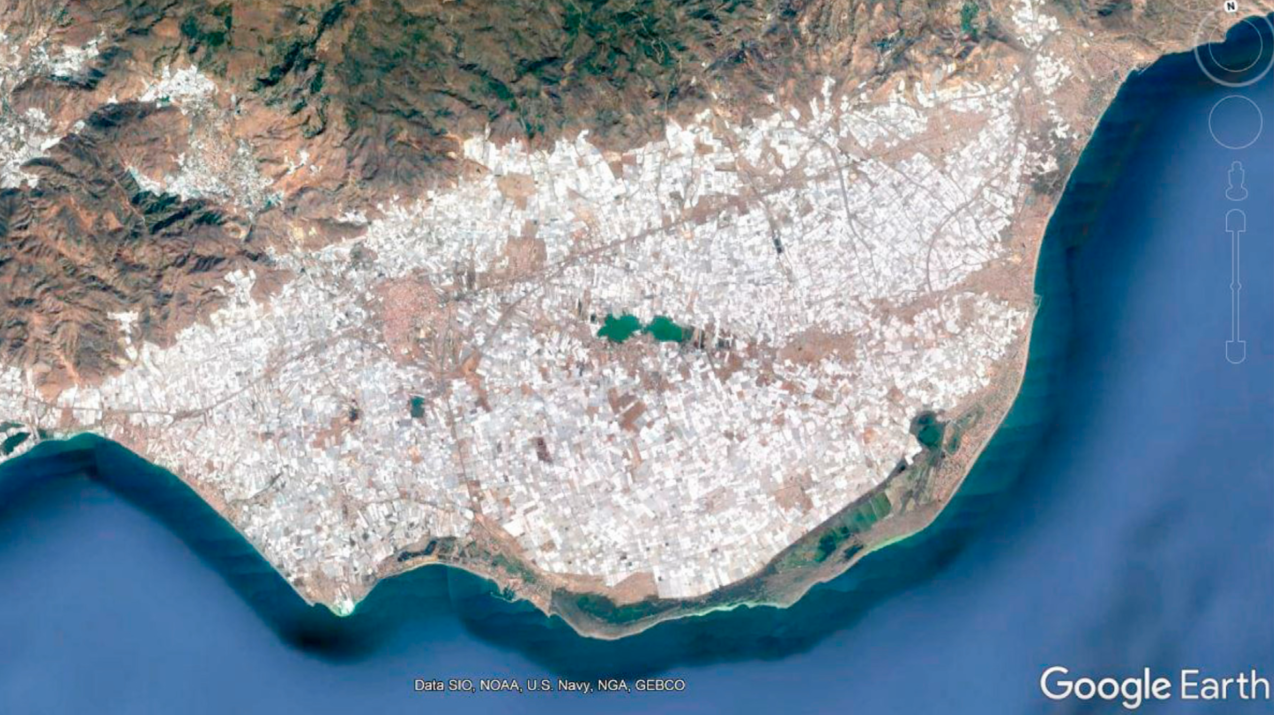
Monoculture cropping necessitates artificial inputs such as fertilizers being delivered and applied at an industrial scale - which in turn damages watercourses with the runoff. The same practices also reduce biodiversity which weakens the ecosystems’ ability to absorb large amounts of water in storms, store carbon, and self-regulate pests and diseases.
In Almeria specifically it has taken a unique spin in the region close to the sea in the south of the region, a super intensive version optimised over time.
What Is monocrop agriculture? And how does it affect the land
Monocrop agriculture is the name given to the intensive method of farming where native land is cleared, whether it be scrubland, virgin forest or meadows, even reclaimed wetlands or sea (on the coastal regions), then is repurposed to make way for a single crop. This is usually a staple crop like rice or wheat but can be for any plant. The end result is the same, land reformed to be optimized for farming 1 plant at scale. Monocropping does come with lots of obvious benefits, such as being able to take advantage of economy at scale when purchasing seeds, fertilizers, training/knowledge and equipment. Also, once established, the plants are only vulnerable to the pests & diseases that evolved to specialize in that type of plant, so the farmers only need to use a narrow set of treatments to combat them and achieve higher yields.
As technology evolves, corporations adapt to squeeze better profit margins, pushing more specialization, turning what begins as a profitable venture to the farmer into a trap that it’s no longer financially viable to escape from. To compete with others and to stay profitable themselves, the farmers need to continually adopt the latest strategies to stay relevant. For example, now that GPS guided tractors are commonplace in the agricultural industry, greater areas can be farmed with little to no skill required to operate the machinery. This means that for the farmers, it becomes more economical to use their machinery to its full potential on as much land as possible, eventually acquiring more of their neighboring land which cannot compete with them and increasing the size of the mono-cropped farm. The reason I mention this is that land repurposed for use with automation and machinery is usually far less able to retain and capture water by design. To provide vehicular access, the tradeoff means surface runoff and compaction impact water infiltration and retention over large tracts of land. This is bad for Groundwater levels, especially in hotter, drier climates where groundwater is vital due to evaporation rates of water bodies exposed to the sun.
Yearly land preparation, its effect above and below the surface.
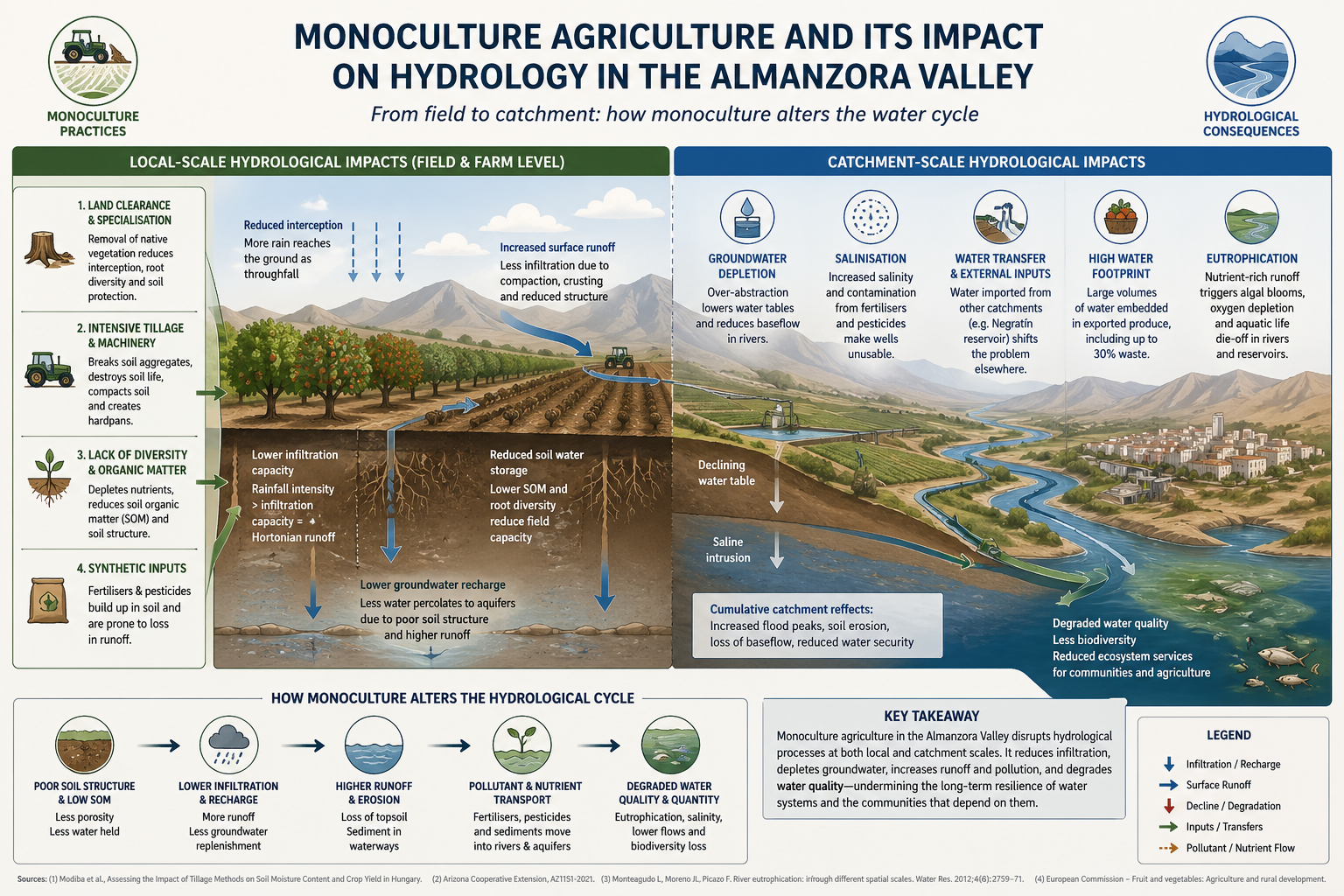
In farmland which undergoes tillage prior to seeding the next crop, the soil surface is ripped through with a plow causing damage to the desired depth making way for the next line of plants. This has several adverse effects, some being the fact that mycorrhizal networks below the soil surface, small animal habitats and existing root structures are all ripped up, they are what gives land its capabilities of storing water and sequestering nutrients from the air into the soil. Mycorrhizae and the bacterial life that populate the soil around them take time to develop, they in turn feed the lifeforms which create pore structure, integrate SOM (Soil organic Material) and aggregate soil particles together. An acre of field that has been left for example would develop networks below for years, each year increasing the mass of carbon and water sunk into the ground while they expand. This repeated tillage reduces aggregate stability and connectivity of the pores created by sub-surface life which in turn lowers infiltration capacity and retention of soil water over time. Keyline ploughing could aid in water infiltration while the seams are open for a while. But at the same time the wheels of the heavy machinery pulling the plough compacts the soil creating a hardpan surface that increases runoff and makes it hard for the next crops roots to infiltrate deeply. It also breaks down soil aggregates, making erosion more commonplace in heavy rainfall events. This contributes to loss of Soil organic matter – another key ingredient required for sequestering as much moisture as possible in any environment.(1) Studies as the one referenced show that in moisture controlled environments such as the ones found semi-arid regions of southern Spain benefit from conservational tillage or No-till methods of farming for retaining moisture long into the dry season, e.g. past august into September, because they don’t experience regular rainfall to replenish them.
With all of this in mind, reduced soil structure due to these tillage practices lower soil infiltration capacity, so heavy precipitation events are more likely to exceed this capacity quickly and lead to surface runoff (Hortonian Runoff).
The effect of repeated monocropping and the lack of diversity on the soil makeup
Poly culture, also known as crop rotation has been around for hundreds of years, it provides a reprieve from the single species of plant that takes its preferred nutrient profile from the soil and by strategically planting different species of plants such as leguminous varieties that fix nitrogen etc., allowing animals to graze a cover crop in between also adds and infiltrates more natural fertilization into the land. This is missed with repeated monocropping. Instead, the soil must be amended yearly. Soil has to be spot-tested at numerous locations and then fertilizers are carted in and spread. With the advent of drone technology and smart machinery it can be surveyed and applied to the areas that need it - as opposed to blanket applications nowadays but in a lot of cases there is the risk of more than needed being spread. The result is saturation of synthetic chemicals which are left in the soil post-harvest and eventually washed off the fields as pollutants elsewhere. Soil in monocrop fields eventually becomes an inert medium, which farmers rely on external inputs to make them useable for productive plant growth.
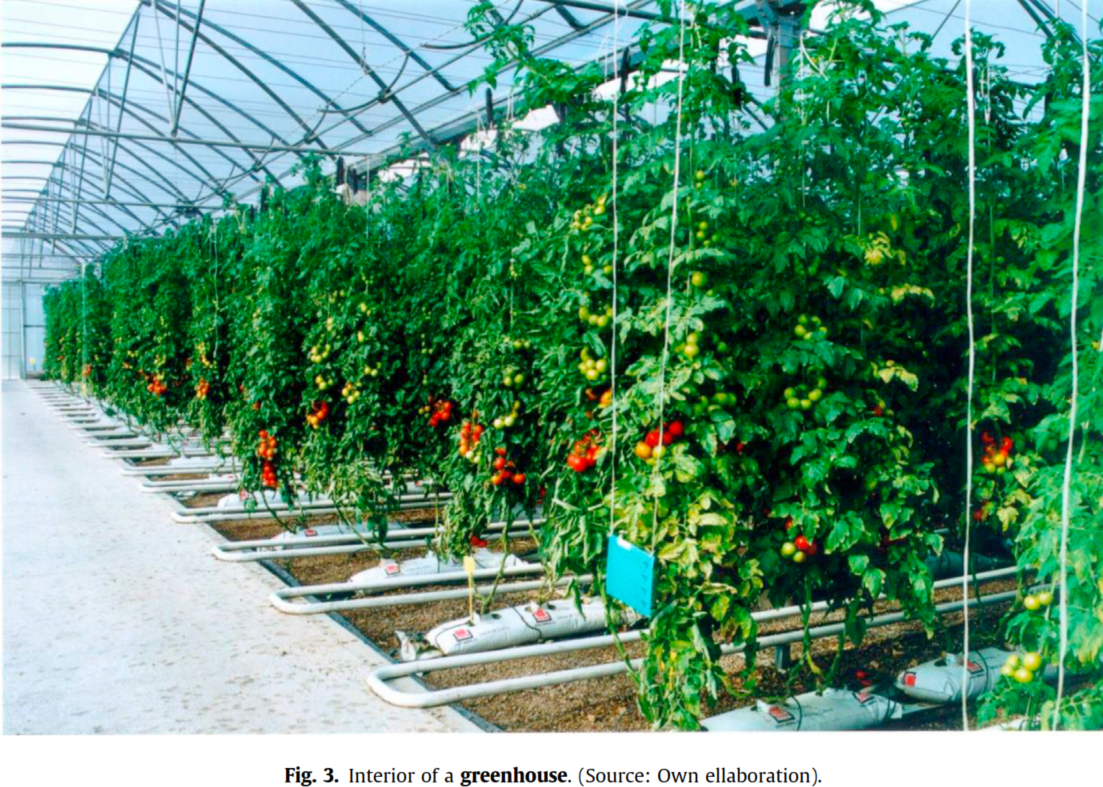
Single plant species also mean a lack of diverse root systems breaking up the soil layers below which allow precipitation to make its way deeper into the ground when it comes. If the plants used don’t have deep reaching and strong enough roots, not only can they not spread as deeply, but they also don’t support as many types of wildlife that can burrow and tunnel under the surface, churning, tunneling and aggregating soil as they create pathways for the water to make its way down and be kept long term
Loss of biodiversity and the effect that has hydrologically
From a higher view than mentioned above, on a larger scale the effects of monocrop agriculture have a wider reaching effect too. The lack of diversity in plants and the soil beneath supports far fewer plants; this generally drives a collapse in the flow of energy up through trophic levels.
Fewer plants > less environment for microbial life > this supports far fewer insects > fewer insectivores etc.
All this loss of life means the area is far more vulnerable to a sudden increase in pest species & diseases which can devastate an area if they can take hold and completely turn the land barren. A large vegetative loss event will then leave whole areas extremely vulnerable to flash flood events incurring huge losses of soil and built-up organic matter, whilst infiltration and groundwater recharge fails to recover to sustainable levels.
Irrigation requirements, what does that mean for the water table, and where does this irrigated water end up?
Crops in Almeria like citrus fruits consume a lot of water, large ones needing 120-160 litres of water per week in the height of summer. (2). In the Almanzora valley specifically this means irrigation water either pumped from wells or transferred over from the Negratin reservoir. Depending on which one, if it’s the groundwater is pumped from a well it means there is a higher salt concentration, See extract below (3):
“Water extractions above and beyond the capacity of these aquifers have not only caused a decrease in water resources in terms of quantity, but also a progressive deterioration in their quality, due to the appearance of salinization and contamination caused by the filtration of substances such as fertilizers and phytosanitary products (de Andalucía, 2009; Custodio et al., 2016; Aznar-Sánchez et al., 2019). This situation is especially serious in the Poniente Almeriense (western region of Almeria) where 80% of water wells have had to be abandoned”
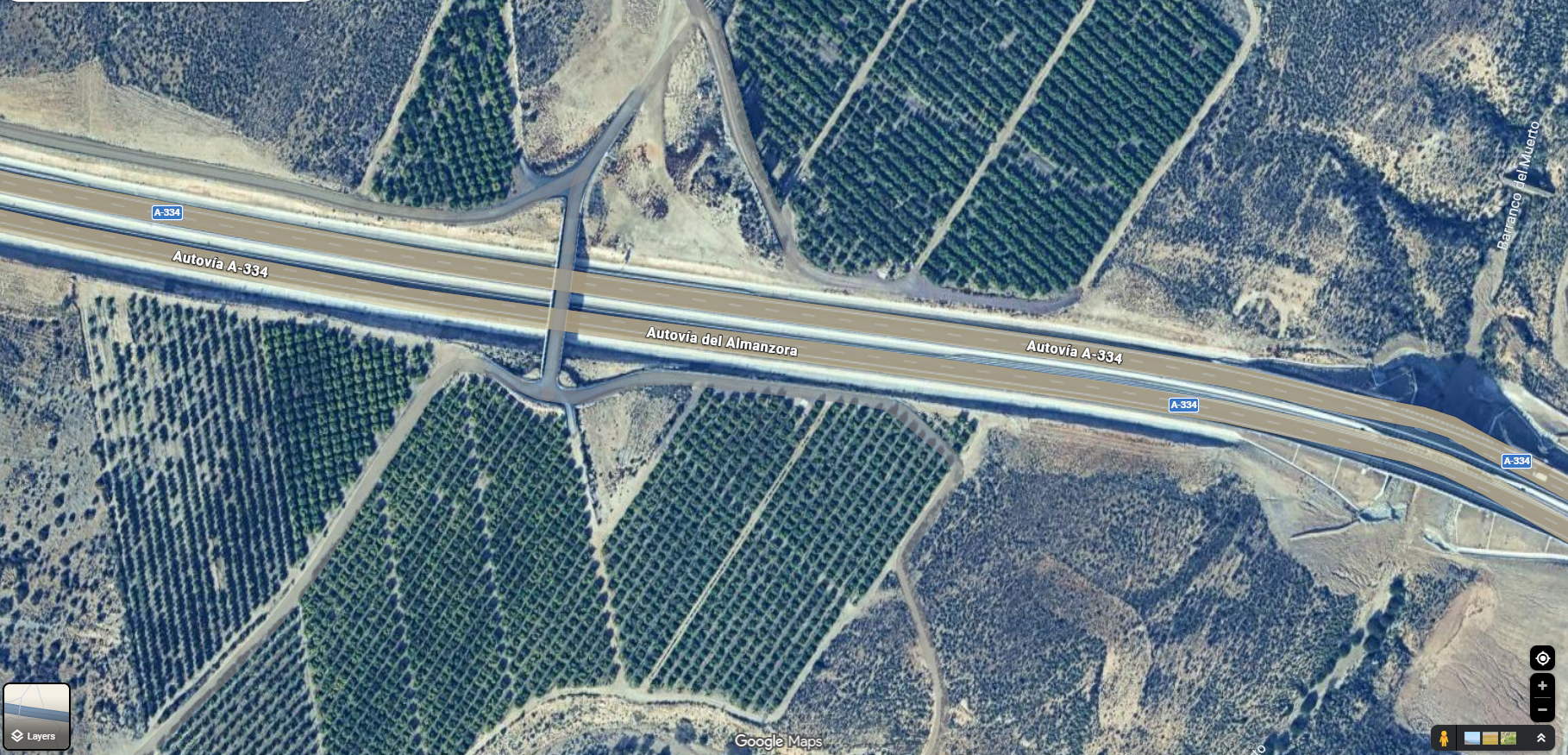
Image on the left- A google earth Image of newer Citrus plantations appearing on the outskirts of Los menas, Near Huercal-Overa
This demonstrates the reality of the situation in the region. Yet it has had little to no effect on the number of new plantations being set up on newly acquired plots despite there being a royal decree issued to curtail the demands on freshwater usage.
Also, we should consider the fact that it takes water to produce each fruit on these farms, which when exported as part of the Circa 16.5 million tonnes of fresh produce, following quality control disposing of the less acceptable standard of fruit and vegetables - up to 30% ((4)https://agriculture.ec.europa.eu/farming/crop-productions-and-plant-based-products/fruit-and-vegetables_en). All of the water used over time, sequestered into this tonnage of fruit, is effectively taken from the most water stressed region of Europe and exported around the world. This seems illogical and goes against what common sense would suggest as a long-term sustainable way of surviving in a water stressed region. On a Local scale, each field is competing directly with its neighbors for a finite resource, and on a catchment scale- Irrigation water is being transported in from other catchments, again depriving people of neighboring regions of their water. By doing this the problem is being moved elsewhere rather than being addressed and rectified.
Eutrophication and the damage caused to drainage ditches and waterways.
Another phenomenon linked with monocrop agriculture is Eutrophication, which simply put, is over enrichment of a body of water with nutrients. This applies on both local and catchment scales. It does happen occasionally from natural causes but happens a lot because of human activities on land being managed incorrectly. Heavy run-off from farmland can drag soil, fertilizers and slurry into the drainage ditches and rivers where you get algal blooms. The algae release their own toxins & die off, then the resultant bloom of bacteria that feed off the algae also does the same after consuming all the oxygen in the water. This makes it uninhabitable for other aquatic life too causing die off events. You end up with dead rivers, stagnant and toxic water of no use to anything. This view is heavily supported in this paper (3), suggesting as a preventative measure that no more than 50% of irrigated croplands should be allowed near riverbanks to avoid future eutrophication.
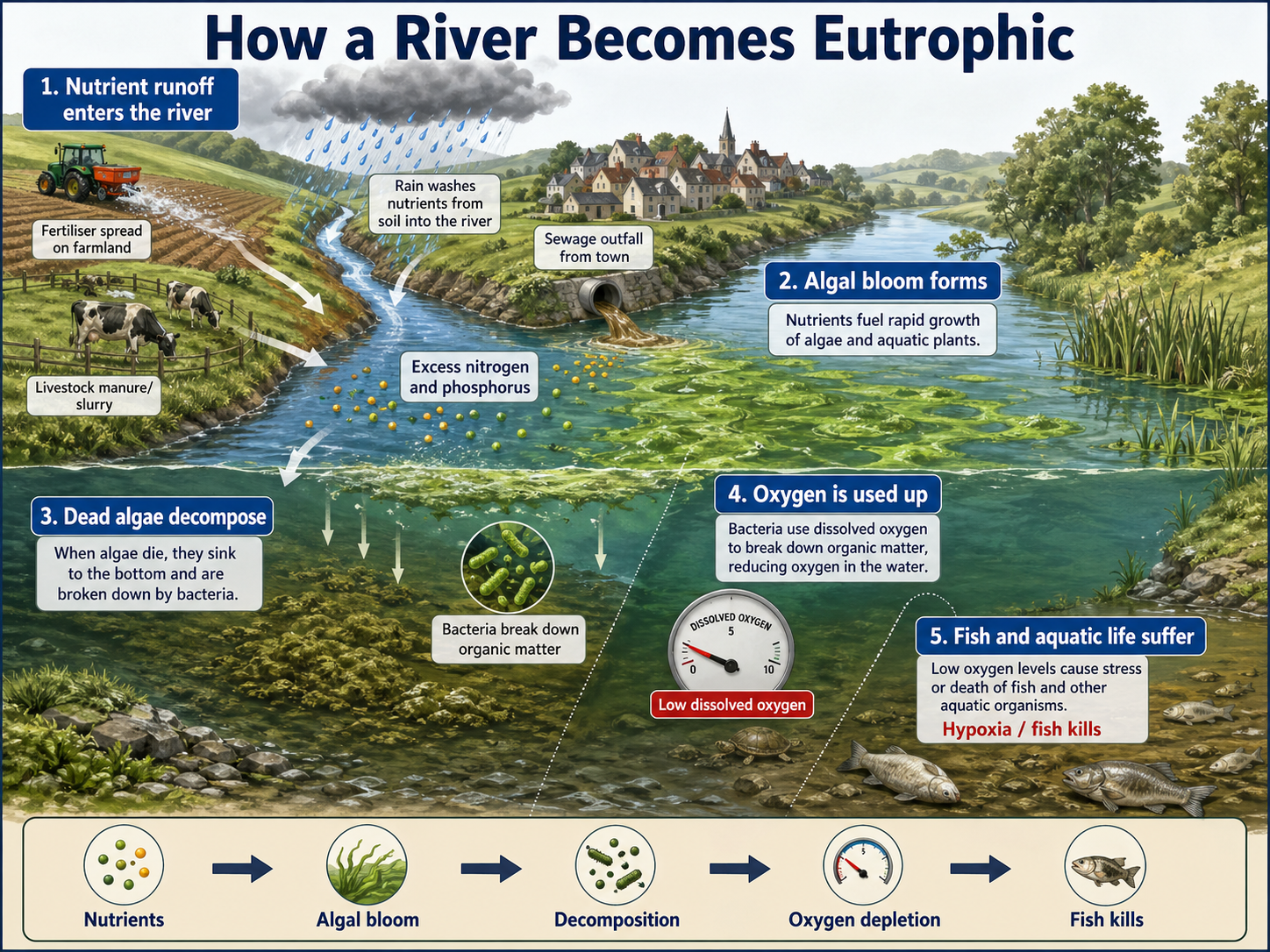
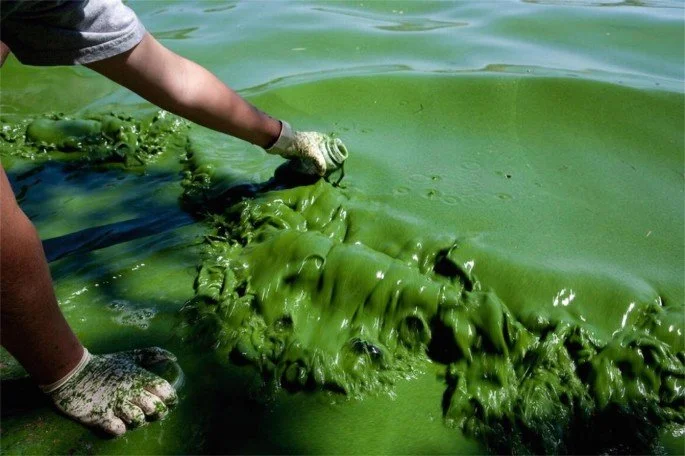
Toxic Algae bloom water, usually caused by Excess nutrient pollution.
Conclusion:
All in all, monocrop agriculture is one of the key factors in the evolution of farming from something accessible to anyone with land to an industrial culture with high barriers of entry which has favoured consolidation of farmlands into bigger entities, damaging landscapes by pushing them past their limits. Commercial lock-in has driven the issues caused by Monocropping to graduate from local to above even catchment scales. The ability to meet the demands of simplified markets which feed the global supply chain have come at the expense of the stablished water cycle & life itself where food is grown. Once landscapes are barren and have been depleted after years of chemicals and synthetic materials being fed into them, they are left dry, eroded, barren and, in some cases, poisoned. Even if rivers are still around, they aren’t full of as much biodiversity and the vitality as they once were. Communities used to be centred around rivers, now they exist on the periphery despite them. The water isn’t fit for use if there is any left.
References:
(1). Assessing the Impact of Tillage Methods on Soil Moisture Content and Crop Yield in Hungary
by Maimela Maxwell Modiba 1,*ORCID,Caleb Melenya Ocansey 2,Hanaa Tharwat Mohamed Ibrahim 3,Márta Birkás 1ORCID,Igor Dekemati 1ORCID andBarbara Simon 3ORCID
(2). https://extension.arizona.edu/sites/extension.arizona.edu/files/pubs/az1151-2021.pdf
(3) Monteagudo L, Moreno JL, Picazo F. River eutrophication: irrigated vs. non-irrigated agriculture through different spatial scales. Water Res. 2012 May 15;46(8):2759-71. doi: 10.1016/j.watres.2012.02.035. Epub 2012 Feb 28. PMID: 22417740.
(4) Fruit and vegetables - Agriculture and rural development